


Giving with Purpose: A Response to “How to Actually Give Money Away”
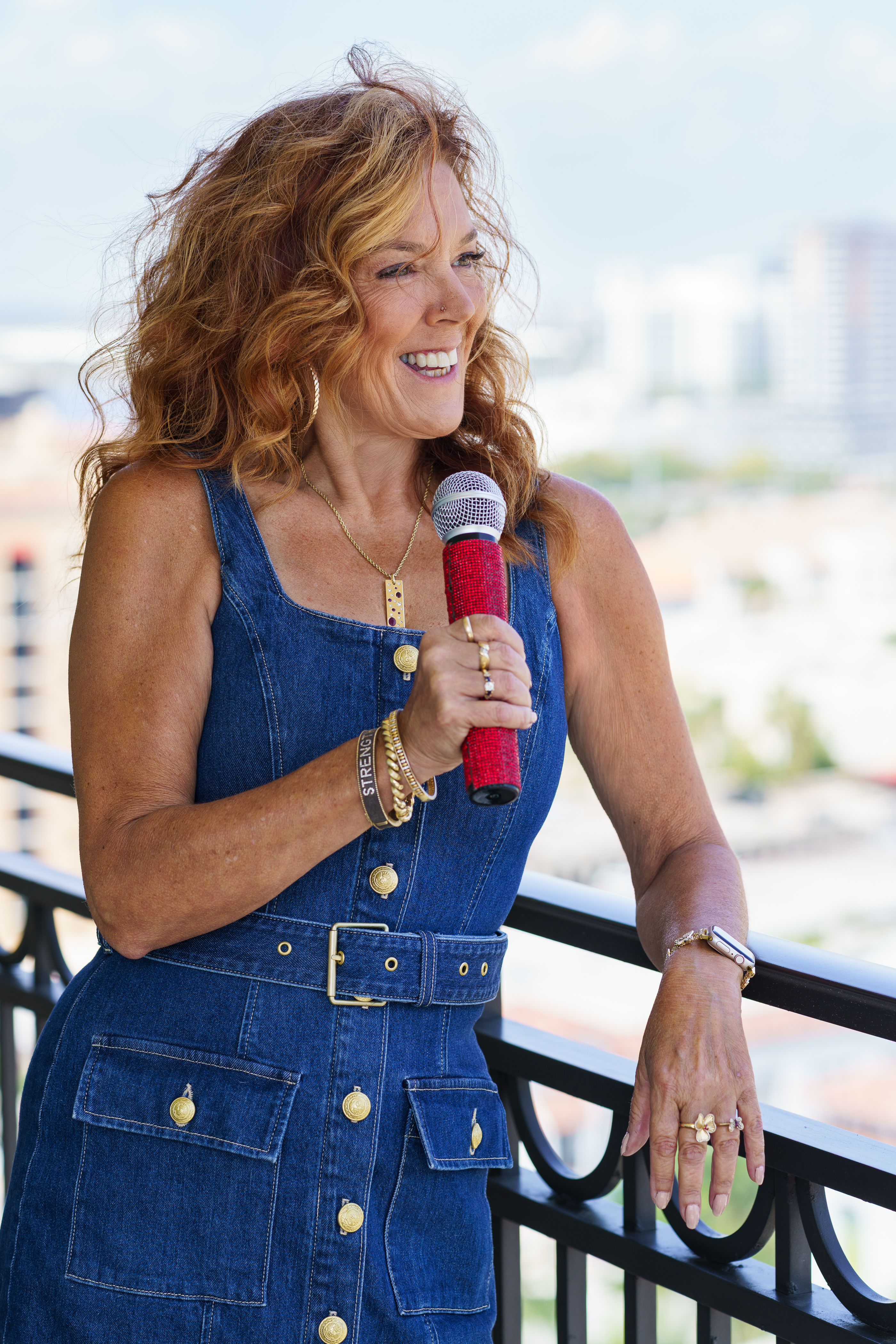
By: Jennifer LaFrance
My sister brought this article to my attention a while ago. Unfortunately, I had been so busy that I did not have the time to respond the way I truly wanted to. Still, something kept nagging at me to return to it. Now, after writing this response, I understand why. So many things came into focus for me.
This weekend, I sat down to write my response to the article, but as the weekend unfolded, I found myself reframing how I wanted to approach it. Originally, I intended to respond in a matter-of-fact tone. But over time, I realized I wanted to do more than simply respond I wanted to give the reader a clearer understanding of who the LaFrance sisters are and how the LaFrance Project operates with two sisters making the decisions together.
I have started with my own responses, and I will pass them along to my sister for her perspective so readers can see where we differ and where we agree. In the end, I believe we will arrive at the same conclusions, and that is exactly the key to how we are able to take on this project together.
The article, titled “How to Actually Give Money Away,” was written by Nick Allardice, President and CEO of GiveDirectly, and was published on LinkedIn.
In his article, he makes six different points about giving, and I want to respond to each of them in order.
His first point is about how the default pathway is often delay. In other words, people have good intentions to give, but they postpone actually doing it. He talks about how many people may have grown up without money, and once they acquire wealth, they place it into DAF accounts, trusts, or other financial vehicles to receive the tax benefit but then the money sits there.
Personally, I believe people delay because they do not know how to give in a way that creates the greatest impact. Many wealth managers and attorneys are experts at helping clients structure and protect wealth, but they are not experts in the nonprofit world, and they should not be expected to be. That is exactly why we started the LaFrance Project.
We step in and work hand in hand with wealth managers and attorneys to help move money from those accounts into the nonprofit space where it can truly make a difference. The LaFrance Project serves as a bridge between philanthropists and nonprofits. We have spent years vetting organizations, building relationships, and immersing ourselves in the nonprofit landscape in Palm Beach County. That allows us to lend our expertise to people who are stuck in the “What now?” phase of giving.
I choose to believe most people do not want to hoard their money. I believe they simply want to give meaningfully and do not know where to begin.
His second point is about choosing causes and writing them down so you can evaluate where to direct your donations. Again, this is exactly why we created the LaFrance Project. We have already done much of the groundwork. All someone has to do is allow us to get to know them, their passions, their values, and what matters most to them and we can guide them toward nonprofits we believe align with their vision.
The third point is about building a portfolio of giving. Honestly, this is an area where my sister Lisa could speak far more intelligently than I can. This is her language. Coming from an investment background, she has long believed philanthropy should be approached more like investing. I will gladly stay out of a lane where she is clearly the expert.
Lisa: As my sister perfectly put, we want to help you find a cause you can get passionate about. I personally love to diversify my causes because I find it fascinating to understand the how different social issues intersect. Diversification by focus area, size, and stage all provide different benefits. My portfolio also provides an interesting perspective on social impact investment opportunities.
The fourth point discusses using an “index fund” approach to giving. This raised an interesting question for me: Could the LaFrance Project one day create a philanthropic portfolio where people could invest their charitable dollars much like they invest financially?
That is certainly not our focus today, but perhaps it becomes part of a ten-year vision. Those unwilling to look ahead and recognize that the philanthropic landscape is constantly evolving are often the ones left behind. So, while it may not be for today, it is an interesting concept for the future.
The fifth point addresses individuals giving at a very serious level ten million dollars or more. Nick argues that many people immediately build institutional structures around their giving by hiring philanthropic advisors, program officers, and foundation teams. He pushes back against that approach because, in his view, the more infrastructure you build, the slower the money moves.
This is one of the reasons we describe the LaFrance Project as an alternative to traditional institutions like community foundations. We are not institutional. We are hands-on. We get to know you personally, understand what you care about, and walk beside you through the process.
This is our community too. This is where we live, where we give, and where we serve. That creates a much more personalized experience and allows donors to feel confident that their money is going to organizations we genuinely believe in and that align with their passions and goals.
Finally, his sixth point focuses on recurring giving. In his article, he discusses the importance of giving every year. At the LaFrance Project, we would take that idea one step further and advocate for recurring monthly giving whenever possible.
Why? Because monthly giving changes everything for nonprofits operating on tight budgets. Knowing that a donor’s contribution, even just $250 a month, will consistently arrive allows organizations to plan, budget, and operate with greater stability and confidence.
Recurring annual giving is wonderful, and I agree completely with Nick on that point. But recurring monthly support can truly be transformational for nonprofits. In fact, Lisa will be speaking on this topic tomorrow night at one of our favorite local nonprofits, The 1909 Foundation.
What I learned from both reading Nick’s article and writing this response is that the LaFrance Project is exactly where it should be, doing exactly the right work at exactly the right time.
There have certainly been moments when Lisa and I have looked at each other and wondered, “Are we crazy?” But writing this solidified for me that we are not.
The great wealth transfer to the next generation has already begun, and this next generation wants more than simply giving. They want to give with purpose. They want to make a difference. They want connection to the nonprofits they support.
Science even explains why.
On Friday, my sister spoke to seniors graduating from another nonprofit we support called Path to College. She spoke about how people are constantly searching for the secret to longevity and research increasingly points to one major factor: community.
When you strip everything down to its core, that is truly what the LaFrance Project is offering, community.
We help people find nonprofits that align with their passions, and through that connection they can engage more deeply: attending events, participating in fundraisers, building relationships, and perhaps even meeting their next friend or neighbor along the way.
In doing so, they strengthen not only the nonprofit, but also their own sense of purpose, connection, and belonging. And perhaps that is one of the greatest gifts philanthropy can offer to everyone involved with a bonus of longevity for both the donor and the nonprofit.


Comments